
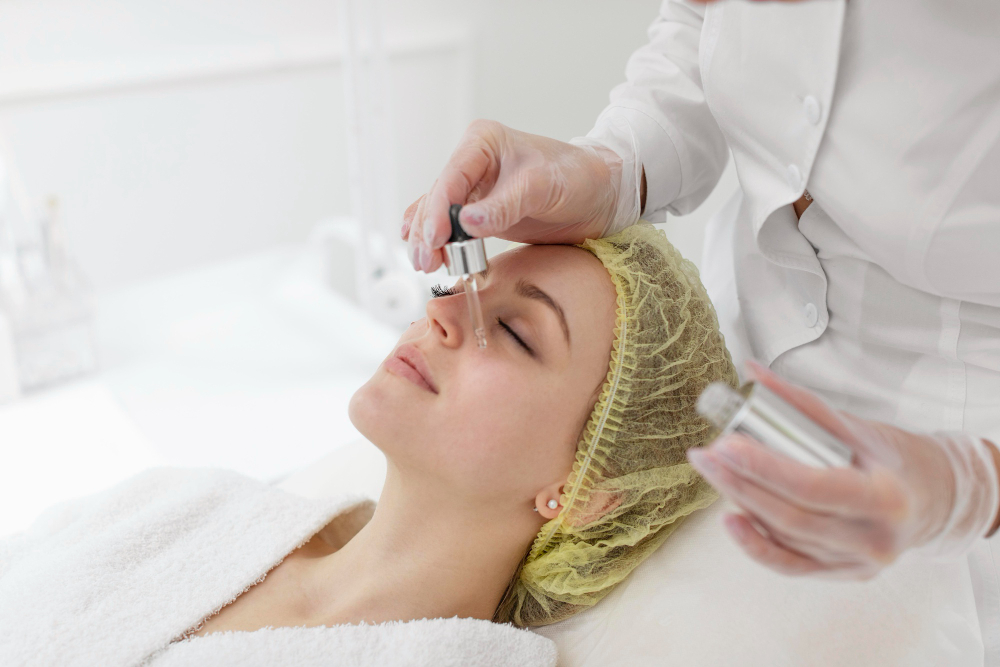
Many people face skin pigmentation issues, which can affect confidence and appearance. Revitalizing skin pigmentation means restoring an even, healthy skin tone. This blog explains what skin pigmentation is, why problems happen, and how you can treat and prevent them. If you want to learn about effective treatments for skin pigmentation, you are in the right place.
What is Skin Pigmentation?
Skin pigmentation refers to the color of your skin. This color comes from a natural pigment called melanin. Melanin protects your skin from the sun and gives it its shade. Sometimes, melanin levels change, causing dark or light spots. These changes can make your skin look uneven. For many, improving skin tone is important for both health and appearance.
Common Causes of Pigmentation Issues
There are several reasons why skin pigmentation problems develop. Understanding these causes can help you choose the right treatment. For example, some causes are:Sun exposure: Too much sunlight can lead to dark spots.Hormonal changes: Pregnancy or birth control pills may cause melasma, a type of dark patch.Skin injuries: Cuts, burns, or acne can leave marks or discoloration.Certain medicines: Some drugs can change your skin color.Medical conditions: Diseases like vitiligo cause loss of skin color.
Because these causes vary, it is important to know what is affecting your skin.
Symptoms and Signs to Watch For
Skin pigmentation issues show up in different ways. You may notice:Dark patches or spots (hyperpigmentation)Light patches or spots (hypopigmentation)Uneven skin toneRed or brown marks after acne heals
Sometimes, these changes are small. However, if you see new or spreading spots, it is wise to seek advice.
Diagnosis: How Skin Pigmentation Problems Are Identified
Doctors use several methods to diagnose skin pigmentation issues. First, they look at your skin and ask about your health history. Next, they may use a special light to see changes in your skin. Sometimes, a small skin sample is taken for testing. Because some conditions look alike, a correct diagnosis is important for the best treatment.
Effective Treatments for Revitalizing Skin Pigmentation
There are many safe and effective treatments for skin pigmentation. The right choice depends on the cause and your skin type. Some common treatments include:Topical creams: Creams with ingredients like hydroquinone, vitamin C, or retinoids can lighten dark spots.Chemical peels: These remove the top layer of skin, helping fade spots.Laser therapy: Lasers target dark areas and can improve skin tone.Microdermabrasion: This gentle procedure removes dead skin, making spots less visible.Prescription medicines: Doctors may suggest stronger treatments for some cases.
Always talk to a certified dermatologist before starting any treatment. According to the American Academy of Dermatology, professional guidance ensures safety and better results.
Lifestyle Tips and Home Care for Healthy Skin Tone
In addition to medical treatments, daily care can help improve your skin. For example, you can:Use sunscreen every day, even when it is cloudy.Wear hats or clothing to protect your skin from the sun.Clean your face gently and avoid harsh scrubs.Eat a balanced diet rich in fruits and vegetables.Stay hydrated by drinking enough water.
With these habits, you can support your skin’s natural health and glow.
Prevention: How to Maintain Even Skin Pigmentation
Preventing pigmentation issues is easier than treating them. To keep your skin tone even, remember these tips:Apply broad-spectrum sunscreen with SPF 30 or higher.Avoid direct sunlight during peak hours (10 a.m. to 4 p.m.).Do not pick or scratch at your skin.See a dermatologist for regular skin checks.
Because prevention is key, these steps can help you avoid future problems.
In summary, revitalizing skin pigmentation is possible with the right care and treatment. If you notice changes in your skin, do not wait. Consult a certified dermatologist, Dr. Mallikarjuna C.T, for personalized advice on revitalizing your skin pigmentation.
