Introduction to Microdermabrasion
Microdermabrasion is a popular skin rejuvenation treatment. It gently removes the top layer of dead skin cells. As a result, your skin can look smoother and brighter. Many people choose microdermabrasion to improve their skin’s appearance. This treatment is non-invasive, which means it does not require surgery. Often, people use it to help with mild acne scars, sun damage, or uneven skin tone. According to the American Academy of Dermatology, microdermabrasion is safe for most skin types.
Benefits of Microdermabrasion
There are several microdermabrasion benefits. For example, it can help your skin look fresher and more even. Additionally, it may reduce the appearance of fine lines and mild scars. Here are some key benefits:Brighter and smoother skinReduced appearance of fine linesLess visible mild acne scarsImproved skin tone and textureBetter absorption of skincare products
Because the treatment is quick, many people fit it into their busy schedules. Also, there is little to no downtime after the procedure.
How the Microdermabrasion Procedure Works
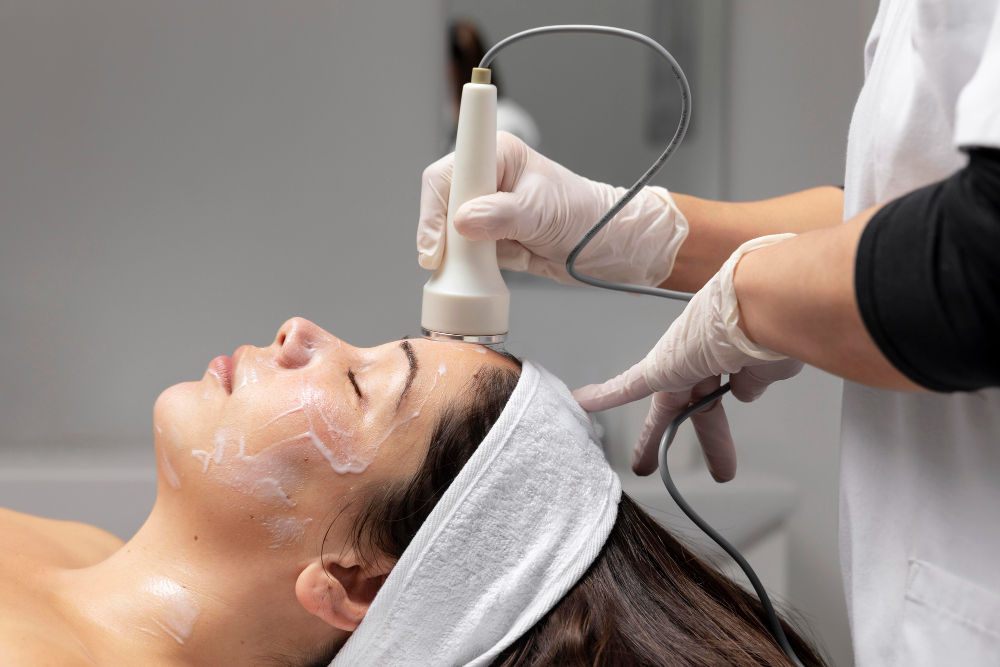
Understanding the microdermabrasion procedure can help you feel more comfortable. The process is simple and usually takes less than an hour. Here is a step-by-step overview:First, your skin is cleaned to remove oil and dirt.Next, a special device sprays tiny crystals or uses a diamond tip to gently exfoliate your skin.At the same time, the device suctions away dead skin cells and crystals.After the treatment, a soothing moisturizer or sunscreen is applied.
Most people feel only mild scratching or vibration during the treatment. However, the procedure is not painful.
Who Is a Good Candidate?
Not everyone is a perfect fit for microdermabrasion. Still, many people can benefit from this skin rejuvenation treatment. You may be a good candidate if you:Have mild skin concerns like dullness, fine lines, or mild acne scarsWant a non-invasive treatmentAre in good general healthDo not have active skin infections or open wounds
However, people with severe acne, eczema, or rosacea should talk to a skin specialist first. In some cases, another treatment may be better.
Risks and Possible Side Effects
Like any cosmetic procedure, microdermabrasion has some risks. But, most side effects are mild and temporary. Common risks include:Redness or swelling for a few hoursDry or flaky skinSensitivity to sunlightMild bruising
Rarely, infection or scarring can occur. Therefore, it is important to choose a certified professional. According to the American Academy of Dermatology, following aftercare instructions lowers your risk of problems.
Aftercare and Recovery Tips
Proper aftercare helps your skin heal and look its best. After microdermabrasion, you should:Use gentle cleansers and moisturizersAvoid harsh scrubs or exfoliants for a few daysApply sunscreen daily, as your skin will be more sensitiveStay out of direct sunlight when possibleDo not pick or scratch your skin
Most people return to normal activities right away. Even so, your skin may look pink for a short time.
Frequently Asked Questions
How long do results last?
Results can last several weeks. However, regular treatments may be needed for the best outcome.
Is microdermabrasion painful?
No, most people feel only mild discomfort. The sensation is often described as a gentle scratching or vibration.
Can I wear makeup after the procedure?
Usually, you can wear makeup the next day. Still, it is best to ask your provider for advice.
How often should I get microdermabrasion?
Many people have treatments every 2 to 4 weeks. Your provider can suggest the best schedule for your skin.
Conclusion
Microdermabrasion is a safe and effective skin rejuvenation treatment for many people. It offers several benefits, such as smoother and brighter skin. While risks are low, proper aftercare is important. For the best results, consult a certified cosmetologist at Mrinalini La Fleur Aesthetics and Cosmetology Clinic for personalized advice.
