
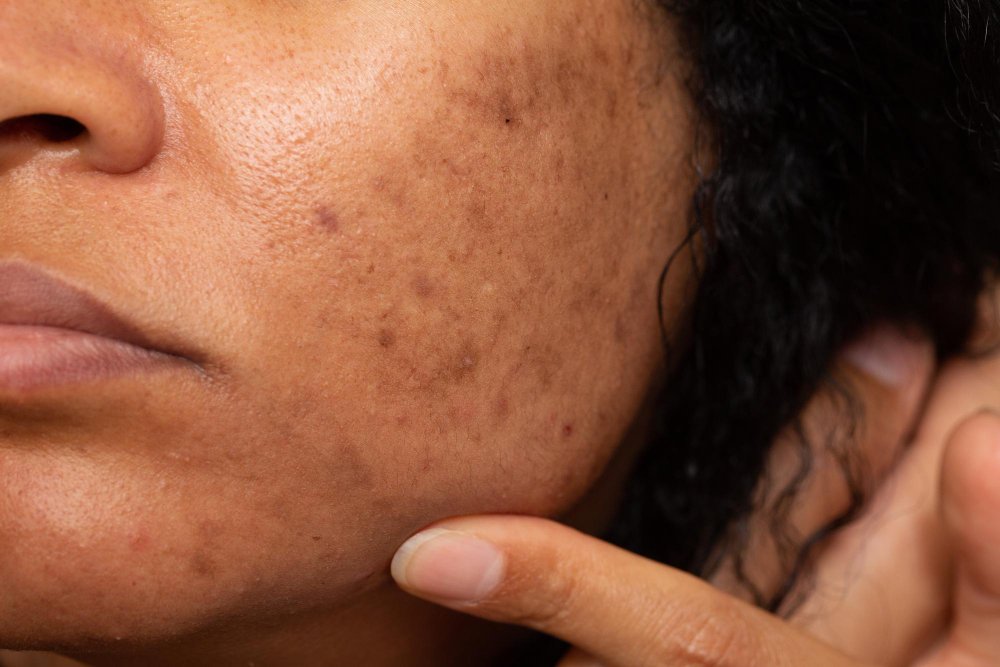
What Is Skin Pigmentation?
Skin pigmentation is the color of your skin. It comes from a natural pigment called melanin. Melanin is made by special skin cells. Everyone has melanin, but the amount and type can vary. For example, people with darker skin have more melanin. Skin pigmentation gives each person their unique skin tone. According to the World Health Organization (WHO), melanin also helps protect the skin from sun damage.
Sometimes, skin color can change. These changes may be small or more noticeable. In many cases, they are harmless. However, some changes may signal a health problem.
Common Causes of Skin Pigmentation Changes
Many things can cause skin pigmentation to change. For instance, sun exposure is a major factor. The sun’s rays can make skin darker or cause spots. In addition, some people develop uneven skin tone due to hormones. Pregnancy and birth control pills can trigger these changes.
Other common causes of skin discoloration include:
Moreover, where you live can play a role. People in sunny areas may notice more changes in skin pigmentation.
Can Skin Pigmentation Be Altered?
Many people wonder if they can change their skin pigmentation. In some cases, it is possible to lighten or darken skin. However, not all methods are safe or effective. For example, some home remedies may not work or could harm your skin.
According to the Centers for Disease Control and Prevention (CDC), some changes in skin color are permanent. Others may fade over time. It depends on the cause. For example, sun spots may lighten with less sun exposure. But, genetic skin color cannot be changed completely.
Medical and Cosmetic Treatments for Skin Pigmentation
There are several treatments for skin pigmentation. Doctors may suggest different options based on your needs. For instance, creams with ingredients like hydroquinone or retinoids can help lighten dark spots. Laser therapy is another choice for some people.
Common medical and cosmetic treatments include:
Still, it is important to talk with a healthcare provider before starting any treatment. Some products can cause side effects, especially if used incorrectly.
Lifestyle Tips for Managing Skin Pigmentation
Besides medical treatments, lifestyle changes can help manage uneven skin tone. For example, wearing sunscreen daily protects your skin from sun damage. Even on cloudy days, UV rays can affect your skin.
Other helpful tips include:
Furthermore, regular skin checks can help you spot changes early. If you notice new spots or patches, it is wise to see a doctor.
Prevention and Skin Health Guidance
Preventing changes in skin pigmentation is not always possible. However, you can lower your risk with good habits. For instance, limit your time in direct sunlight, especially during peak hours. Always use sunscreen with at least SPF 30.
Additionally, avoid harsh chemicals or skin lightening products that are not approved by health authorities. The World Health Organization warns that some products may contain harmful ingredients.
Finally, keep your skin clean and moisturized. Healthy skin is less likely to develop problems. If you have concerns about your skin, seek advice from a healthcare professional.
