What Is Hair Loss?
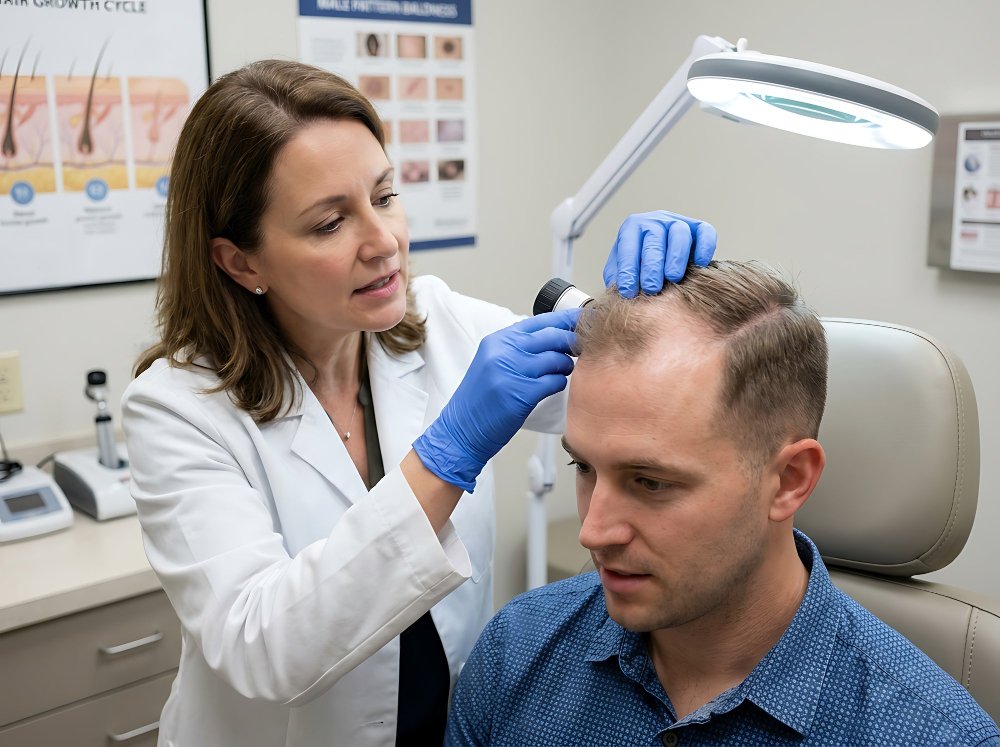
Hair loss means losing hair from your scalp or other parts of your body. Many people notice thinning hair as they age. However, some lose hair earlier due to other reasons. Hair restoration offers hope for those who want to regain their hair. In recent years, modern hair restoration techniques have improved greatly. Now, more people can find the best treatments for hair loss that fit their needs.
Common Causes of Hair Loss
Several factors can lead to hair loss. For example, genetics play a big role. If your parents lost hair early, you might too. In addition, stress and illness can cause hair to fall out. Sometimes, certain medicines or medical treatments can lead to hair loss. Even poor nutrition may affect your hair. Here are some common causes:
According to the American Academy of Dermatology, most people lose 50 to 100 hairs each day. But, when you lose more than that, it may be time to seek help.
Symptoms and Early Signs
Early signs of hair loss are often easy to spot. For instance, you may notice more hair on your pillow or in the shower. Sometimes, your part may look wider than before. In some cases, bald patches appear suddenly. Other times, hair thins slowly over time. Watch for these symptoms:
If you notice these signs, it is wise to talk with a healthcare provider. Early help can make a big difference.
Modern Hair Restoration Solutions
Today, there are many modern hair restoration techniques. Some are surgical, while others are non-surgical hair restoration options. Because of new technology, results look more natural than ever. Here are some popular solutions:
Many hair restoration clinics in major cities offer these treatments. Always choose a clinic with trained professionals.
How Hair Restoration Procedures Work
Each hair restoration method works in a different way. For example, during a hair transplant, doctors move healthy hair to thinning areas. This process may take several hours. Afterward, new hair starts to grow in a few months. With PRP therapy, doctors inject your own platelets into the scalp. This can help boost natural hair growth. Meanwhile, laser therapy uses gentle light to wake up hair roots. Medications work by blocking hormones or improving blood flow to the scalp. Because every person is different, your doctor will help you choose the best option.
Benefits and Risks of Hair Restoration
Hair restoration can offer many benefits. For instance, people often feel more confident after treatment. Many modern hair restoration techniques give natural-looking results. However, every procedure has risks. Some people may notice swelling, redness, or infection after surgery. Others may not see the results they hoped for. Non-surgical hair restoration usually has fewer risks, but results may take longer. Before choosing a treatment, always talk with a healthcare provider. They can explain what to expect and help you decide.
Lifestyle Tips for Healthy Hair
Good habits can help keep your hair strong. For example, eat a balanced diet rich in protein, iron, and vitamins. In addition, avoid harsh hair treatments, such as frequent coloring or heat styling. Try these tips for healthy hair:
Because stress can also affect hair, practice relaxation techniques like deep breathing or yoga.
Preventing Hair Loss: Practical Advice
While not all hair loss can be stopped, some steps may help prevent it. For example, avoid tight hairstyles that pull on your hair. In addition, treat your scalp gently and avoid scratching. If you notice more hair falling out, see a doctor early. Here are more ways to help prevent hair loss:
According to the World Health Organization, a healthy lifestyle supports overall well-being, including your hair. By taking care of your body, you can help protect your hair for years to come.
Conclusion
To learn more about safe and effective hair restoration, visit Mrinalini La Fleur Aesthetics and Cosmetology Clinic. Our team can help you explore the best options for your needs.
