
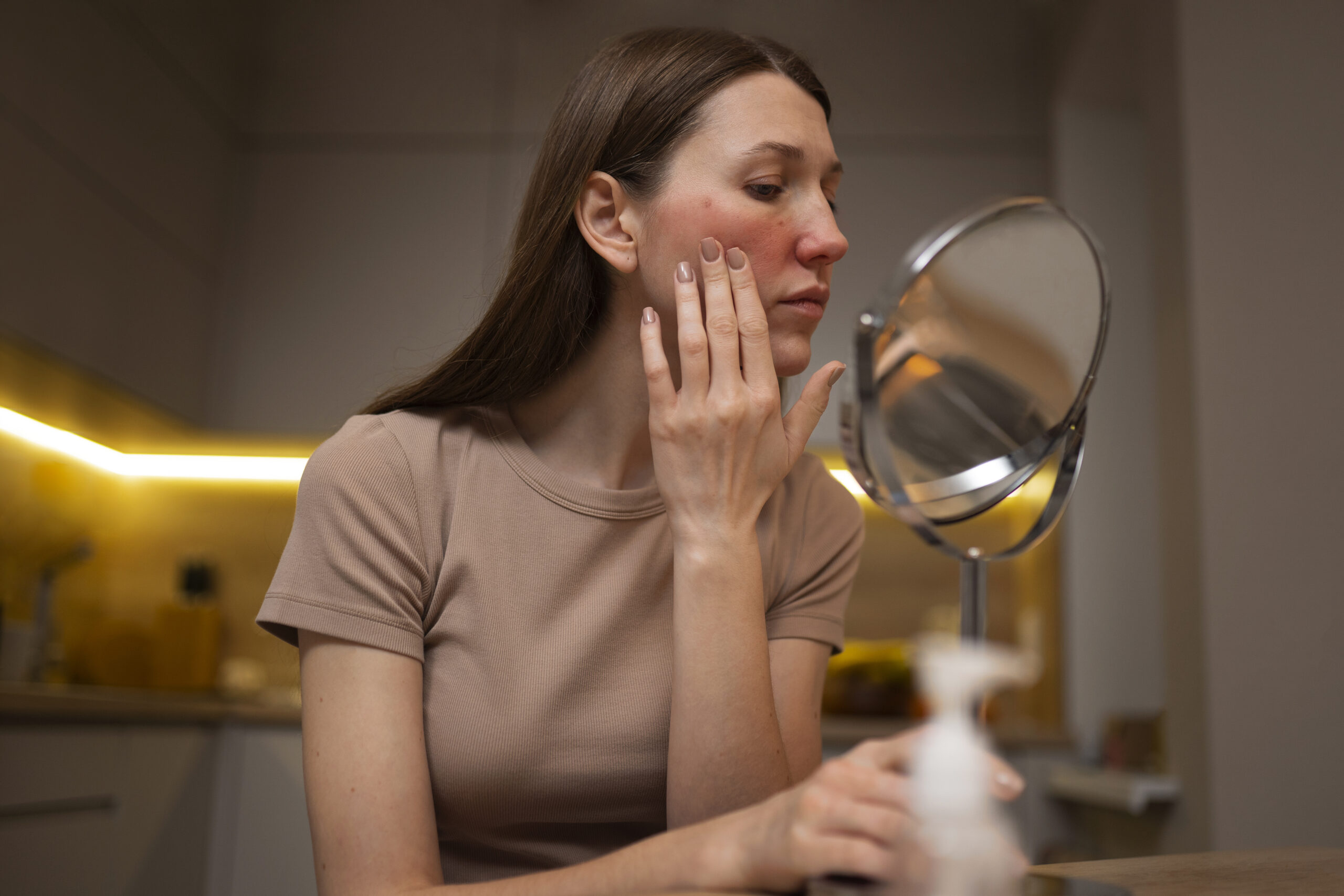
Rosacea is a common skin condition that causes redness, bumps, and visible blood vessels on the face. For many people, it can affect confidence and comfort. Because symptoms often come and go, knowing about rosacea treatment options and how to manage flare-ups is important. With the right care, you can reduce symptoms and enjoy healthier skin.
What is Rosacea?
Rosacea is a long-term skin problem. It mostly affects the face, especially the cheeks, nose, chin, and forehead. While anyone can get rosacea, it is more common in adults with fair skin. The condition may get worse over time if not treated. However, with proper care, you can control symptoms and prevent flare-ups.
Common Symptoms of Rosacea
Rosacea symptoms can vary from person to person. Still, some signs are more common than others. Early treatment can help reduce discomfort and prevent symptoms from getting worse.Redness on the cheeks, nose, chin, or foreheadVisible small blood vesselsBumps or pimples that look like acneBurning or stinging feeling on the skinDry or rough skin patchesSwollen or irritated eyes (in some cases)
Causes and Triggers of Rosacea Flare-ups
Doctors do not know the exact cause of rosacea. However, certain things can make symptoms worse. These are called triggers. Knowing your triggers can help you avoid flare-ups and keep your skin calm.Hot drinks or spicy foodsAlcohol, especially red wineSun exposure or hot weatherCold wind or sudden temperature changesStress or strong emotionsHeavy exerciseSome skin or hair care productsMedications that widen blood vessels
Rosacea Treatment Options
There is no cure for rosacea, but many treatments can help control symptoms. Your doctor may suggest one or more of the following rosacea treatment options based on your needs.
Topical Treatments
Many people start with creams or gels that you apply to your skin. These can help reduce redness and bumps. For example, some products contain metronidazole, azelaic acid, or ivermectin. Always follow your doctor’s advice when using these medicines.
Oral Medications
Sometimes, doctors prescribe pills to help with more severe symptoms. These may include antibiotics like doxycycline. In rare cases, other medicines may be used to reduce swelling or redness.
Laser and Light Therapies
Laser or intense pulsed light (IPL) treatments can help reduce visible blood vessels and redness. These treatments are usually done in a clinic. While results can be long-lasting, you may need more than one session.
Lifestyle and Skincare Adjustments
Simple changes in your daily routine can make a big difference. For example, gentle skincare and sun protection are key. Many people find that avoiding triggers helps prevent flare-ups. These steps are often part of the best rosacea treatments.
How to Manage Rosacea Flare-ups
Managing rosacea means more than just using medicine. With the right habits, you can keep flare-ups under control and protect your skin.
Identifying and Avoiding Triggers
First, keep a diary to track what makes your symptoms worse. Over time, you may notice patterns. Then, try to avoid these triggers whenever possible.Limit hot drinks and spicy foodsProtect your face from sun and windUse gentle, fragrance-free skincare productsManage stress with relaxation techniques
Daily Skincare Tips
Good skincare can help reduce irritation and keep your skin healthy. Here are some rosacea skincare tips:Wash your face with lukewarm water, not hotUse a mild, soap-free cleanserPat your skin dry with a soft towelApply a gentle moisturizer every dayWear sunscreen with SPF 30 or higherAvoid scrubbing or using harsh exfoliants
When to Seek Medical Advice
If your symptoms do not improve with home care, talk to a dermatologist. Also, seek help if you have eye problems, severe redness, or pain. Early treatment can prevent symptoms from getting worse.
Prevention and Long-term Management
While you cannot always prevent rosacea, you can lower your risk of flare-ups. With the right habits, you can keep your skin calm and healthy for the long term.Stick to a gentle skincare routineProtect your skin from sun and extreme weatherKnow and avoid your personal triggersFollow your doctor’s treatment planCheck in with your dermatologist as needed
In some places, like areas with strong sun or cold winds, you may need extra protection. Always adjust your routine based on your local climate.
Consult a dermatologist at Mrinali La Fleur Aesthetics and Cosmetology Clinic for personalized rosacea treatment and management advice.
