Introduction
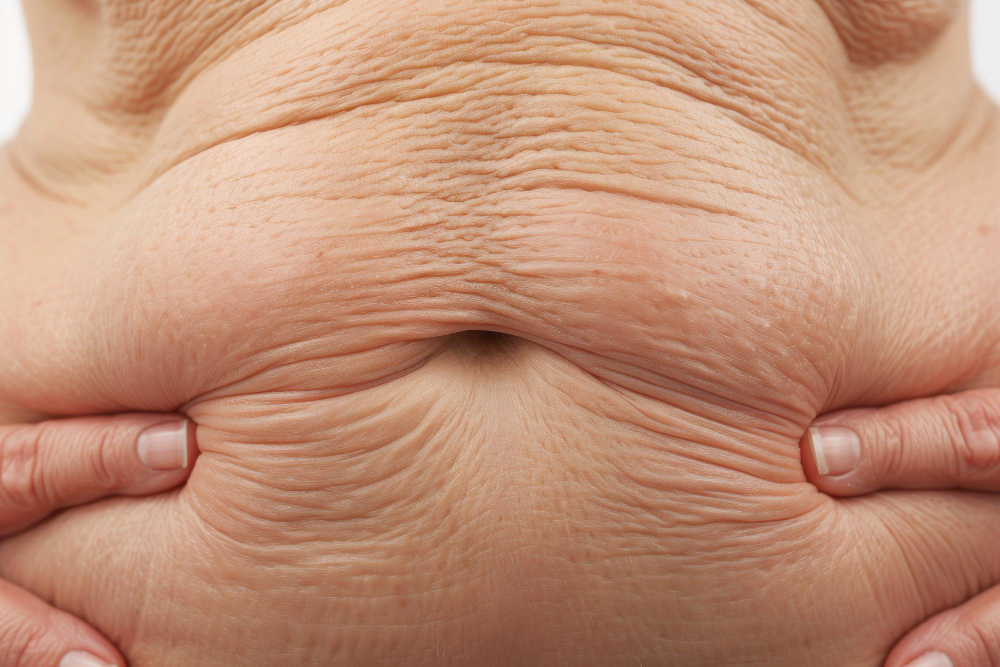
Sagging skin after weight loss is a common concern for many people. When you lose a lot of weight, your skin may not shrink back right away. This loose skin can affect how you look and feel. For some, it may lower confidence or cause discomfort. Thankfully, there are ways to help tighten skin after weight loss. In this blog, you will learn about the causes, effects, and treatments for sagging skin after weight loss. You will also find tips to keep your skin healthy and firm.
What Causes Sagging Skin After Weight Loss?
When you gain weight, your skin stretches to fit your body. If you lose weight quickly, your skin may not have time to adjust. As a result, it can become loose or saggy. Several factors can make sagging skin more likely:Large or rapid weight lossOlder age, since skin loses elasticity over timeGenetics, which affect how your skin respondsSun exposure, which can damage skin fibersSmoking, which weakens skin structure
Because of these reasons, not everyone will have the same amount of loose skin after weight loss.
Common Areas Affected by Sagging Skin
Loose skin can appear in different parts of the body. However, some areas are more likely to be affected. These include:Abdomen (belly)Arms (especially upper arms)ThighsChest and breastsNeck and face
Often, these areas have the most stretched skin during weight gain. After weight loss, they may not tighten up as much as other parts.
Physical and Emotional Effects of Loose Skin
Loose skin after weight loss can cause both physical and emotional challenges. For example, some people may feel self-conscious about their appearance. Others may experience skin irritation or rashes, especially in skin folds. In some cases, loose skin can make it hard to exercise or find clothes that fit well. Because of these effects, many people look for ways to tighten their skin and improve comfort.
Overview of Skin Tightening Treatments
There are several treatments for loose skin after weight loss. Some are non-surgical, while others involve surgery. Each option has its own benefits and risks. Before choosing a treatment, it is important to talk with a qualified specialist. They can help you decide which method is best for your needs and goals.
Non-Surgical Skin Tightening Options
Non-surgical skin tightening is popular because it does not require cuts or long recovery times. These treatments use heat, light, or energy to help the skin produce more collagen. Collagen is a protein that keeps skin firm and elastic. Some common non-surgical options include:Radiofrequency (RF) therapyUltrasound treatmentsLaser therapyMicroneedling with radiofrequency
Usually, these treatments are done in a clinic. You may need several sessions for the best results. While these methods can help tighten mild to moderate loose skin, they may not work for everyone. According to the American Academy of Dermatology, non-surgical treatments are safe for most people and have few side effects.
Surgical Skin Tightening Procedures
For people with a lot of sagging skin, surgery may be the best option. Surgical skin tightening removes extra skin and reshapes the body. Common procedures include:Abdominoplasty (tummy tuck)Arm lift (brachioplasty)Thigh liftBody liftBreast lift
Because surgery involves cuts and stitches, recovery can take several weeks. However, the results are usually more dramatic and long-lasting. Always discuss the risks and benefits with a board-certified surgeon before deciding.
Benefits and Risks of Skin Tightening Treatments
Skin tightening treatments can improve your appearance and boost confidence. In addition, they may help reduce skin irritation and make daily activities easier. However, all treatments have some risks. For example, non-surgical options may cause redness, swelling, or mild discomfort. Surgical procedures carry risks like infection, scarring, or longer recovery times. Therefore, it is important to choose a qualified provider and follow all care instructions.
Tips for Maintaining Results and Skin Health
After skin tightening, you can take steps to keep your skin healthy and firm. Here are some helpful tips:Stay hydrated by drinking plenty of waterEat a balanced diet rich in vitamins and proteinUse sunscreen to protect your skin from sun damageAvoid smoking, as it weakens skinExercise regularly to support muscle toneFollow your provider’s aftercare advice
With these habits, you can help maintain your results and support overall skin health.
Prevention: Can Sagging Skin Be Avoided?
While it is not always possible to prevent sagging skin after weight loss, some steps may help. For instance, losing weight slowly gives your skin more time to adjust. Building muscle through strength training can also help fill out loose skin. In addition, caring for your skin with moisturizers and sun protection may improve its elasticity. However, genetics and age still play a big role. If you are concerned, talk to a skin specialist early in your weight loss journey.
Conclusion
Sagging skin after weight loss is common, but you have options. Non-surgical and surgical skin tightening treatments can help improve your appearance and comfort. Because each person’s needs are different, it is best to seek advice from a qualified cosmetology specialist. They can help you choose the safest and most effective treatment for your goals.
Consult a qualified cosmetology specialist at Mrinalini La Fleur Aesthetics and Cosmetology Clinic to discuss the best skin tightening options for your needs.
