
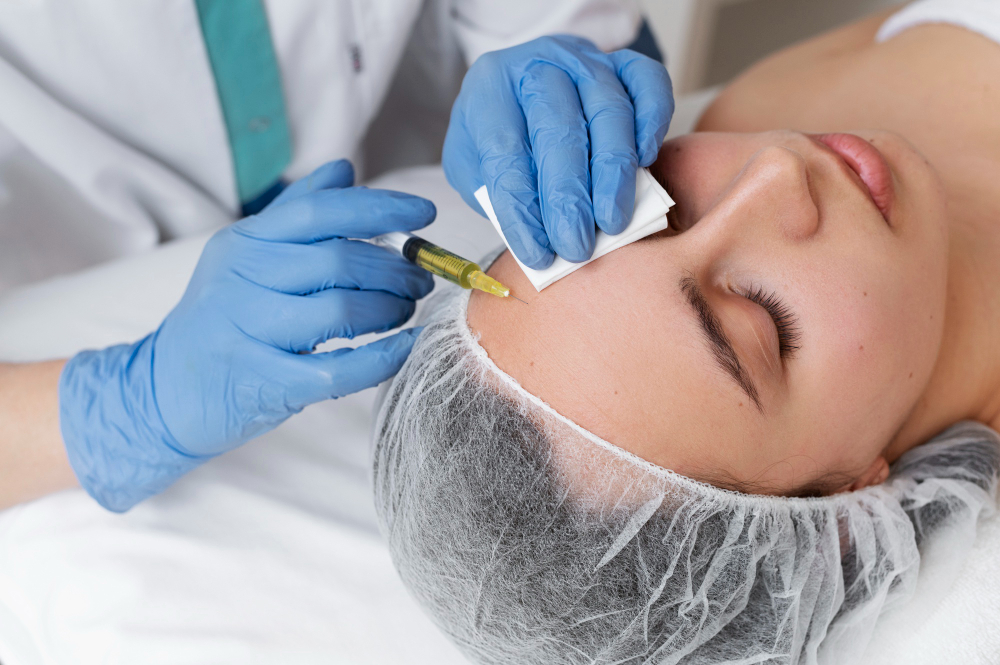
PRP in skin care is gaining attention for its natural approach to skin health. Platelet-rich plasma therapy for skin uses your own blood to help your skin look younger. Many people call it a “PRP facial.” This non-surgical skin rejuvenation method is popular in clinics and spas. But how does it work, and is it safe? In this blog, we will explain what PRP is, how it helps your skin, and what you can expect from the treatment.
What is PRP?
PRP stands for platelet-rich plasma. It is a part of your blood that contains many platelets. These platelets help your body heal and grow new cells. Doctors use PRP in many areas, such as sports injuries and now, skin care. PRP is made by taking a small amount of your blood and spinning it in a machine. This process separates the platelets from other parts of the blood. The result is a yellowish fluid rich in platelets, ready for use in skin treatments.
How Does PRP Work in Skin Care?
First, a doctor or skin care specialist draws your blood. Next, they process it to get the PRP. Then, they apply or inject the PRP into your skin. Because PRP comes from your own body, it is less likely to cause problems. The platelets release growth factors, which help your skin repair itself. As a result, your skin may look fresher and feel smoother. Many people choose PRP for its natural way of boosting skin health.
Key Benefits of PRP for Skin
PRP facial benefits are becoming well known. Here are some reasons people choose PRP in skin care:Reduces fine lines and wrinklesImproves skin texture and toneBoosts collagen production for firmer skinHelps fade acne scars and other marksPromotes a healthy, glowing lookUses your own blood, so there is less risk of allergy
Additionally, PRP is a non-surgical skin rejuvenation option. This means there are no cuts or stitches. Many people like this gentle approach.
The PRP Procedure: What to Expect
Before your PRP treatment, you will meet with a certified dermatologist or skin care specialist. They will check your skin and discuss your goals. Here is what usually happens during a PRP session:A small amount of blood is drawn from your arm.The blood is placed in a machine called a centrifuge to separate the PRP.The PRP is collected and prepared for use.The specialist cleans your skin and may apply a numbing cream.PRP is applied to your skin using tiny injections or a microneedling device.The session usually takes about 30 to 60 minutes.
After the procedure, you may notice some redness or swelling. However, this usually goes away within a day or two.
Safety, Side Effects, and Risks
PRP in skin care is generally safe, especially when done by trained professionals. Since PRP uses your own blood, the risk of allergic reaction is low. Still, like any treatment, there can be side effects. According to dermatology studies and the CDC, possible side effects include:Redness or swelling at the treatment siteMild bruising or discomfortTemporary skin sensitivityRarely, infection if the area is not kept clean
To reduce risks, always choose a certified clinic. Search for “PRP skin care clinics near me” and check their credentials. Moreover, follow all aftercare instructions from your provider.
Who Should Consider PRP for Skin Care?
PRP may be a good choice for people who:Want to reduce signs of aging without surgeryHave mild to moderate acne scarsDesire a natural skin boostAre not pregnant or breastfeedingDo not have blood disorders or active skin infections
However, not everyone is a candidate. Therefore, it is important to discuss your health history with a skin care specialist before starting PRP therapy.
Frequently Asked Questions about PRP in Skin Care
Is PRP painful? Most people feel only mild discomfort. Numbing cream helps reduce pain.How many sessions do I need? Many people see results after 2-3 sessions, spaced a few weeks apart.When will I see results? Some notice changes in a few weeks, but full results may take a few months.Is PRP safe for all skin types? Yes, PRP is safe for most skin types. However, always check with your provider.Can I combine PRP with other treatments? Often, yes. But you should ask your dermatologist for advice.
Summary and Next Steps
In summary, PRP in skin care offers a natural and effective way to refresh and rejuvenate your skin. At Mrinali La Fleur Aesthetics and Cosmetology Clinic, PRP uses your own blood to heal and renew your skin with minimal downtime and side effects. It’s essential to choose a certified provider and discuss your goals before proceeding.
If you’re interested in PRP facial benefits or non-surgical skin rejuvenation, consult a certified dermatologist or skin care specialist at Mrinali La Fleur Aesthetics and Cosmetology Clinic for personalised advice on PRP treatment.
